

A comprehensive investigation was conducted to assess Fambet Casino’s robustness when JavaScript execution is completely blocked in the browser https://fam-bet-casino.eu/. The test mirrored conditions experienced by users with restrictive network settings, adaptive technologies, or those who simply prioritize security. By analyzing the platform’s behaviour without dynamic scripts, the audit identified which features remained and which failed under this restriction.
The Logic For a Non-JavaScript Casino Audit
Graceful fallback is a core principle of universal web design. It ensures that a website’s core content and critical functionalities are preserved even when advanced scripting fails. For a gambling site like Fambet, this principle can influence whether a player can review game rules, sign up safely, or contact support. The check therefore evaluated the site to show its baseline reliability.
Numerous casino sites neglect visitors without JavaScript, wrongly assuming universal script support. Nevertheless security software, slow mobile networks, and specific assistive tools can turn it off. The audit simulated that exact scenario, measuring whether Fambet Casino still offered functional engagement. Special attention was devoted to site navigation, form filling, access to games, and safe gambling resources.
Primary Navigation and Internal Linking Structure
The navigation bar, which usually expands into a dropdown of game categories, was reduced into a basic list of text links. Each key section—slots, table games, live casino, promotions, and support—were still accessible through traditional anchor elements. This meant that a guest could still traverse the full site map without encountering dead ends, though the visual appearance was minimized.
Internal search functionality, nevertheless, was completely dependent on JavaScript and was no longer visible. The missing presence of a server-side search fallback was a significant gap. However, the consistent category links enabled users to browse the game catalogue manually. A breadcrumb trail, shown as plain text with hyperlinks, helped maintain orientation during movement through deeper pages.
Visual Consistency of the Landing Page
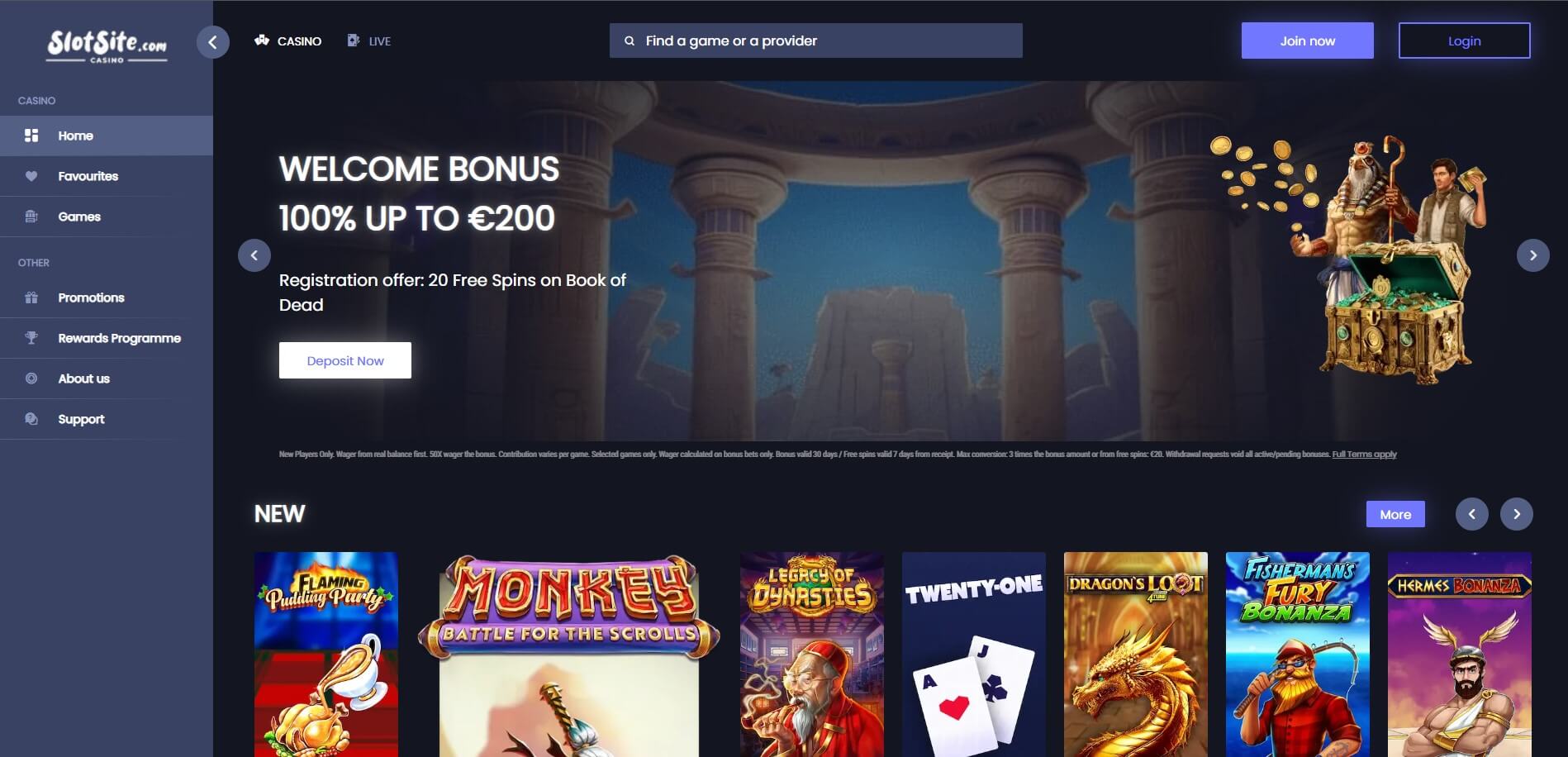
Upon loading, the Fambet Casino homepage showed a unexpectedly unified visual structure. The logo, primary navigation bar, and core typography appeared clearly, and the responsive layout adjusted to the screen size without visible breakage. There was no unstyled content flash, and the overall ambience stayed true to the brand’s intended modern aesthetic.
The hero banner, which typically rotates among multiple promotions, stopped on a single static image. While the animated transition was lost, the displayed graphic still presented the welcome offer clearly. The main call-to-action button persisted as clickable as a standard HTML element, maintaining the most crucial conversion path for new players who land on the site with scripts disabled.
Top Banner and Conversion Button Recovery
The static hero image maintained correct aspect ratio and did not overlap with adjacent sections. A prominent “Join Now” button was displayed using an anchor tag with a valid href attribute, making it fully functional. Beneath the banner, category headings for slots, live casino, and sports showed up in a consistent grid, verifying that the layout relied on resilient CSS rather than JavaScript for positioning.
Thumbnail Display Patterns
Game thumbnail icons displayed mixed results. Some used basic <img> tags with server-supplied sources and loaded instantly, while others that depended on lazy-loading scripts rendered only empty frames with alt text. This inconsistency meant the game selection felt partially incomplete, yet the most popular titles were still identifiable through labels and static artwork.
The footer area, containing licensing logos, responsible gambling badges, and payment method icons, functioned excellently. Every image appeared from standard markup, and all hyperlinks directed to the correct destination pages. The persistent visibility of regulatory information offered a reassuring trust layer, demonstrating that Fambet Casino’s compliance footprint does not rely on client-side scripting.
Initiating a Managed JavaScript-free Browser Session
The investigator initiated establishing a clean browser configuration with no plugins and cached data. JavaScript was turned off right in the developer tools panel. A typical home broadband connection was employed while the Fambet Casino URL was input by hand free of referral source or bookmark link. This approach erased any artificial speed gains and mirrored a genuine fresh user session.
Each of Google Chrome and Mozilla Firefox were employed to cross-check reliability. In each case the website was reloaded numerous times to ensure that the host was not dependent on cookie-driven script injection. The entire session was recorded via manual captures and written records, without automated testing tools. This thorough approach assured that minor fallback actions and issues would be recorded precisely.
None of the polyfill libraries or user agent alterations were used. The objective was to observe the pure HTML and CSS delivery. The connection’s latency mirrored a standard suburban UK line, however the findings apply globally in comparable environments. The testing period spanned two hours to simulate a genuine browsing and research session on the platform.
Game Selection Accessibility and Alternative Notifications
Attempting to start a game from the lobby showed notable contrasts in alternative behavior. Slots and table games that are based on complex JavaScript and WebGL frameworks failed to run, as expected. In place of a blank screen or unhelpful error, Fambet Casino presented a friendly system message explaining that scripting was needed to execute the title, which is a admirable strategy.
This helpful message prevented uncertainty and guided users towards activating JavaScript or contacting support. It was a major positive finding, as many other platforms simply stop responding or present confusing technical errors. The human-readable fallback strongly indicates user-centric design aspects during development.
Slot Machine Loading Response
Clicking on a well-known video slot triggered a full-page overlay that described the necessity for JavaScript. The message contained a link back to the lobby and a reference to the help centre. No continuous loading spinners or broken graphics showed up, which ensured the session stress-free. The consistent behaviour across several slot titles confirmed a unified error-handling mechanism.
Platform Notifications and Notifications
The alert box in itself was built with pure CSS and a noscript tag option, guaranteeing it appeared even when all other scripts were blocked. It gave a clear usable path: either change browser settings or browse the static information pages that remained available. This design choice demonstrates a considerate method to unusual user journeys.
Real-Time Dealer and Table Game Pages
Live casino sections showed a analogous approach. The lobby thumbnails were visible, but the streaming interface did not initiate. A specific message notified users that the live experience needs script support, and suggested the https://www.forbes.com/councils/forbesbusinesscouncil/2025/02/13/effective-aml-compliance-in-the-gambling-sector-harnessing-the-power-of-data-tools/ option of examining game rules and bet limits via static content pages that were quickly accessible from the lobby.
User Profile Management and Form Behaviour
The account creation form presented the greatest challenge. Although the HTML5 form elements appeared, front-end validation failed to function. Error messages that normally appear in instant failed to appear until the form was sent, then the server returned a complete page reload with validation errors highlighted. This backup method, though more sluggish, still allowed account creation to go ahead.

Login process followed a similar server-based validation path. After entering credentials, the return page indicated success or failure without scripting support. Once inside the account area, profile data and balance summaries appeared properly as server-rendered content. Two-factor authentication prompts, nevertheless, required scripting and created a obstacle that could not be avoided in this testing situation.
Player Help and Responsible Gaming Checks
The help centre ran primarily through static informational pages, making it stand out as one of the best features of the no-script experience. Help articles, contact methods, and grievance processes were completely accessible. The real-time chat tool, as expected, did not load, but a web form with server-based processing offered a viable alternative for users with JavaScript disabled.
Responsible gambling tools like deposit caps, exclusion requests, and reality check descriptions were displayed as unformatted text with easy-to-follow directions. While clickable options to set limits required scripting, the explanatory pages themselves satisfied a critical compliance need by thoroughly outlining the available protections. This ensures that vulnerable players are still able to comprehend their options before deciding to limit or exclude.